Engaged employees perform better and are far more likely to stay. Research found that engaged employees show 17% higher performance and are 87% less likely to leave their jobs.
Understanding employee preferences is central to creating a workplace that supports productivity and well-being. When you design the workplace around what employees actually need, you strengthen both engagement and performance.
Distractions, stress and lack of focus harm performance, and they lower satisfaction and morale along the way. When people work in environments that suit their preferences, they become more engaged and produce better results. This is where tools like Measuremen’s Habital app come in, giving organizations the data they need to create better workspaces.
How workplace distractions affect productivity
Workplace distractions are a silent productivity killer. Research found that people take an average of 23 minutes to regain focus after an interruption. Nearby conversations, constant notifications and harsh lighting all make it harder to concentrate.
70% of office workers say they’re more productive when the office is quieter. Open-plan layouts and flexible workspaces are often designed for collaboration, but they have unintentionally amplified distractions. Collaboration matters, but without quiet spaces, employees struggle to focus, because deep work needs a distraction-free environment.
Casual conversations and background noise might seem like small issues, but they significantly affect concentration. Gallup found that 50% of employees believe they’d be more productive in a distraction-free environment. Yet only 1.6% of offices have focus booths, which shows a clear gap between what employees need and how workspaces are designed.

Why flexible work environments improve employee satisfaction
Today’s workforce wants more control over how and where they work. Employees prefer environments that let them perform at their best depending on the task at hand. Flexible working models like Activity-Based Working (ABW) meet this need by letting employees choose spaces that fit their activities. That autonomy has been shown to correlate directly with job satisfaction and well-being.
Flexibility is now the norm for many workers. IWG’s Global Workspace Survey found that 70% of employees work at least one day a week somewhere other than the office, and more than half work remotely for half the week or more. Job autonomy is also linked to higher job satisfaction, meaning employees with more control over their work environment tend to be more engaged and productive.
These findings show how important it is to offer different types of workspace: quiet spaces for deep focus, and collaborative spaces for teamwork and sharing ideas. Companies that invest in flexible work environments see higher satisfaction, better performance, less absenteeism and stronger retention.
How younger generations are changing workplace preferences
Millennials and Gen Z now make up the majority of the global workforce, and they bring different expectations around flexibility, purpose and work environment. 64% of millennials would leave their job for one with better flexibility, which shows how important it is for companies to adapt.
Younger workers also place greater importance on mental and physical well-being. That shift requires work environments that reduce stress, remove unnecessary distractions and support different work styles, from quiet focus spaces to areas where teams can work together.
Aligning workspace design with employee preferences
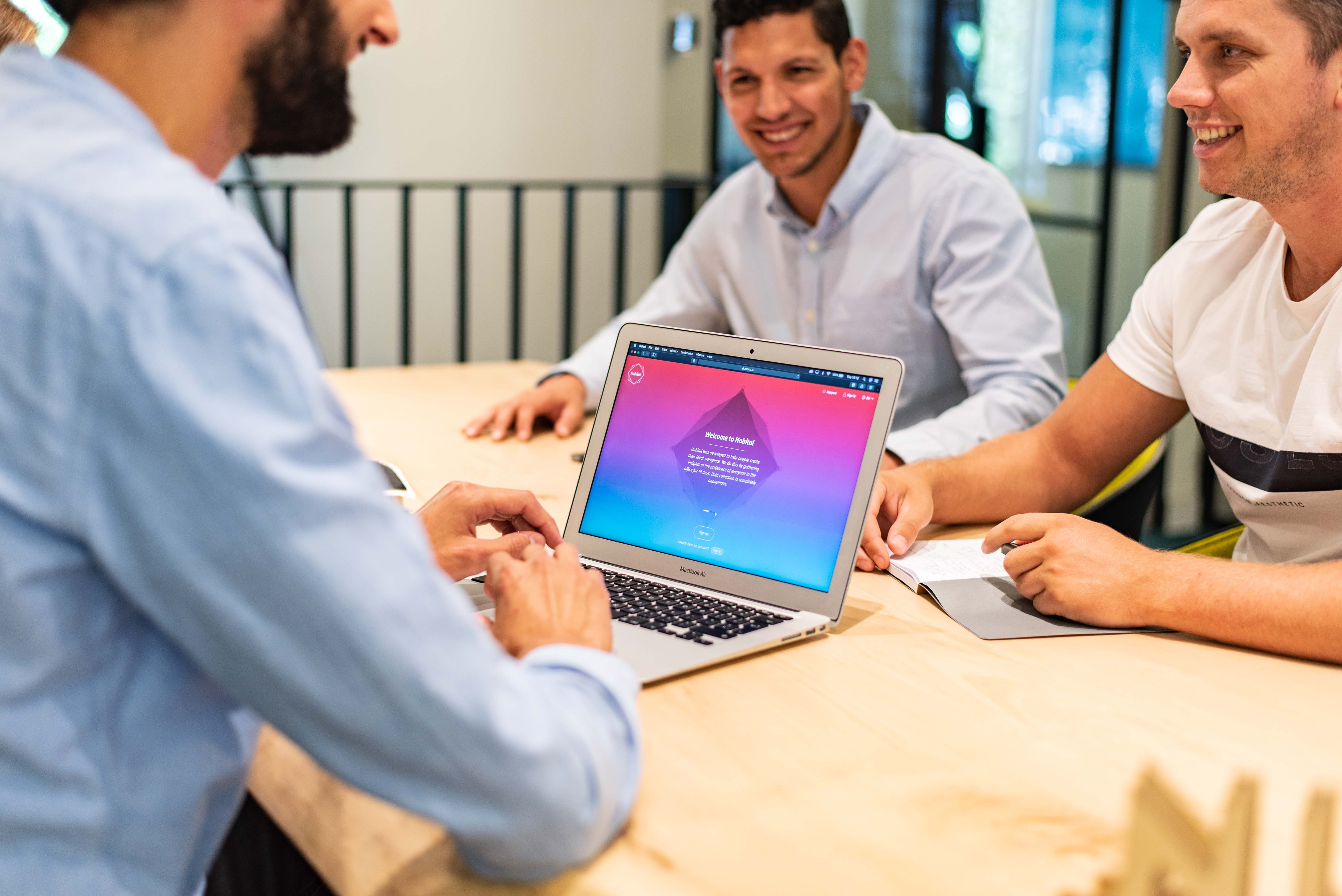
At Measuremen, we believe data-driven decisions are key to better workspace design. We created the Habital® app to gather and analyze data on what employees prefer and need, so organizations can design around real preferences rather than assumptions.
How Habital works
Before a study begins, Habital builds a profile of each participant, covering their personality, job characteristics and workplace preferences. Over the following ten working days, employees answer a short survey four to six times a day about their work and their environment. The questions are scientifically validated, so the results reflect genuine preferences rather than impressions from a single good or bad day.
Because the surveys run throughout the day, Habital captures how preferences shift with the task: where people concentrate best, what causes stress or discomfort, and whether they’re most productive at home, in the office or in a third space. Answering the questions also prompts employees to reflect on how they use the workplace, which builds awareness of their own working habits.
Comparing preferences with actual behavior
Habital becomes even more useful when paired with a workplace occupancy study. Occupancy data shows how spaces are actually used, Habital shows what employees prefer, and the gap between the two shows where your workplace strategy needs to change. If employees say they need more quiet space but existing focus rooms sit empty, for example, the problem may be their location or how they’re booked, not a lack of demand.
The goal isn’t just to improve the physical environment, but to create a workplace where employees feel heard and valued. When people see their preferences recognized, they become more engaged and motivated, which directly affects their performance and how well they work with others.
Companies that prioritize these adjustments are better equipped to retain top talent and build a positive work culture.
How to get started
The first step is gathering actionable feedback from your employees. A Habital study gives you that feedback in two weeks, and you can use it to make informed decisions about workspace design.
The data then points to specific changes. If many employees report that noise distracts them, you can add acoustic panels or create quiet zones. If teams want more space to work together, redesigning some areas for group work can improve collaboration.
Put employee preferences first
Your employees are the foundation of your business. By understanding and meeting their workspace preferences, you build a more productive, engaged and motivated workforce. Habital provides the insights you need to design workspaces that truly reflect your team’s needs.